The Evolution of Broadcasting: Key Trends and Innovations Worth Knowing
The landscape of broadcasting is undergoing significant transformation. Streaming platforms are transforming how audiences engage through tailored content and interactive elements. As viewers continue to embrace digital platforms, traditional broadcasting confronts significant hurdles. Advancements including augmented reality and artificial intelligence are poised to elevate the viewer experience. This ongoing shift sparks inquiry into the abilities that future broadcasting professionals will need. What implications do these trends hold for the industry's future?
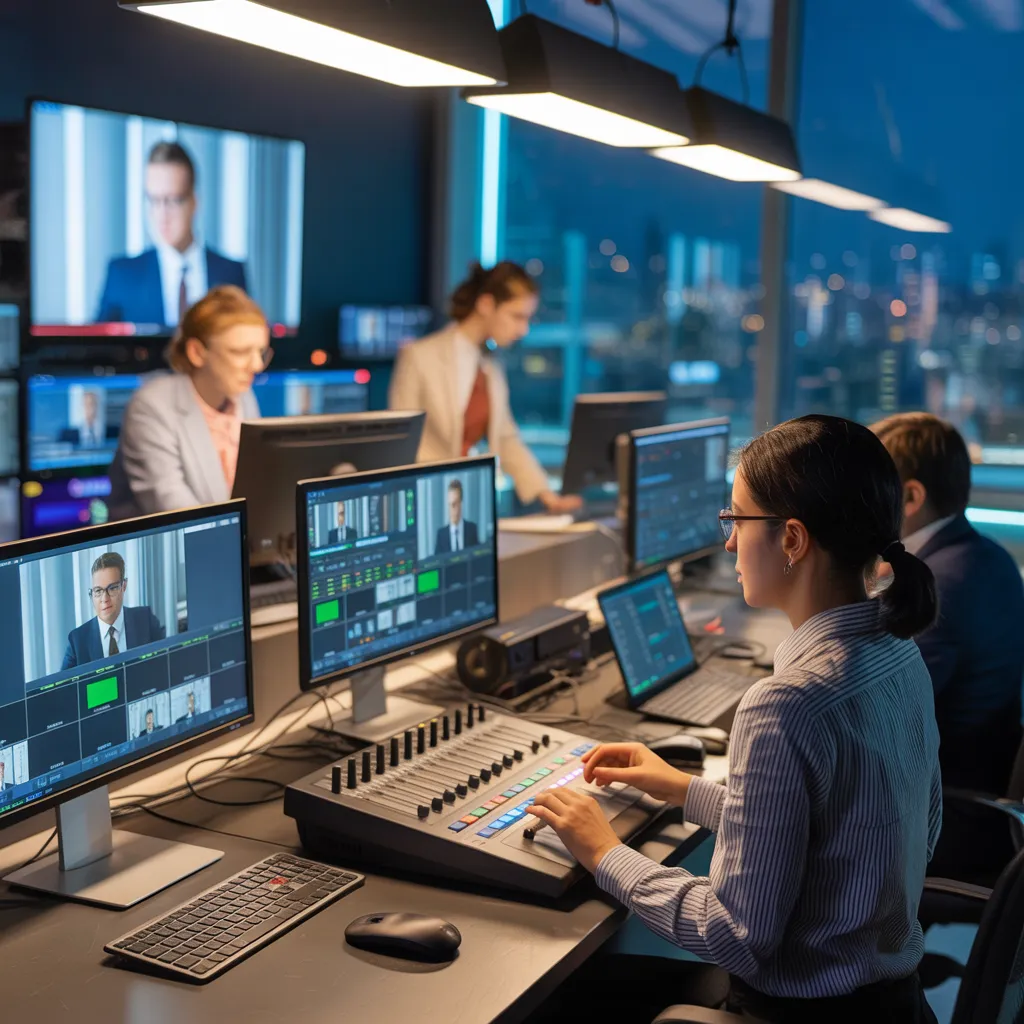
How Streaming Services Are Reshaping the Viewer Experience
As streaming services continue to proliferate, they are significantly transforming viewer engagement by offering customized content journeys. By utilizing sophisticated algorithms, these platforms study user habits and preferences to deliver personalized recommendations, which significantly improves viewer satisfaction. This shift allows audiences to explore content that matches their tastes, thereby fostering a more immersive experience.
Moreover, streaming services prioritize interactive features, enabling viewers to interact with content through features like live discussions and social platform integration. This cultivates a feeling of belonging among audiences, shifting passive consumption into active participation. Furthermore, the on-demand aspect of streaming services facilitates extended viewing sessions, further deepening viewer participation.
Therefore, the traditional viewer experience is evolving; audiences are no longer just merely passive recipients but active participants in their consumption journey. This opening up of media access signals a pivotal change in how media is accessed and engaged with in today's digital landscape.
Why Classic Broadcasting Is Transitioning to Digital Platforms
The shift from traditional broadcasting to digital streaming platforms is fueled by shifting consumer habits that lean toward on-demand media consumption. The growth of digital streaming platforms has transformed how consumers consume media, offering unmatched flexibility and a wide range of options. Moreover, improved interactivity tools captivate audiences in ways that conventional media formats are unable to replicate.
Transforming User Preferences
While traditional broadcasting once dominated the media landscape, a major move toward digital platforms is redefining viewer preferences. Viewers are increasingly drawn to on-demand content, permitting them to enjoy shows and movies whenever they choose. This freedom directly opposes the inflexible schedules of traditional broadcasting. Moreover, viewers are increasingly seeking personalized experiences, where intelligent systems craft content aligned with individual interests. Social media platforms also play an essential role, permitting viewers to connect with content and creators in real time. The rise of mobile viewing has also influenced preferences, as consumers pursue entertainment that aligns with their personal habits. As a result, traditional broadcasting struggles to retain its audience, forcing broadcasters to evolve or face irrelevance in a changing media landscape.
Emergence of Streaming Services
Viewer preferences are increasingly shaped by the accessibility and allure of streaming services, which offer a persuasive option to traditional broadcasting. As consumers seek flexibility and on-demand content, services like copyright, Hulu, and Amazon Prime have risen as leading players. These platforms supply broad catalogs of material, enabling viewers to decide on programming at their own pace, free from restrictive schedules. The emergence of proprietary productions produced by these services has further intensified competition, drawing audiences away from traditional broadcasters. Additionally, paid membership plans frequently remove advertisements, elevating the quality of the watching experience. Consequently, traditional broadcasters struggle with maintaining viewership, prompting many to adapt by developing their own streaming options to satisfy changing audience expectations.
Expanded Interactivity Options
With increasing frequency, users are turning to digital platforms for their advanced engagement features, which conventional broadcasting fails to match. This change permits users to connect with programming in unprecedented fashions. Capabilities including live polls, real-time comments, and personalized content recommendations create a more immersive experience. Digital platforms enable users to impact programming selections, encouraging a culture of belonging and interaction. Furthermore, the incorporation of social media enables instant responses and engagement with content producers, increasingly erasing the boundaries between creators and audiences. As audiences increasingly favor these participatory experiences, traditional broadcasters face challenges in adapting their formats and strategies. When all is considered, the need for immersive experiences will persistently steer viewers from legacy broadcasting to more compelling digital platforms.
The Way Augmented Reality Is Transforming Broadcasting
Augmented reality (AR) is transforming the broadcasting industry by boosting viewer interaction through captivating immersive experiences. By embedding real-time data directly into broadcasts, AR captivates audiences and provides them with a richer understanding of the content. This technological advancement not only attracts viewers but also transforms how information is presented and consumed.
Enhanced Viewer Engagement
Revolutionizing the world of broadcasting, AR (augmented reality) is reimagining how people engage with content. By incorporating virtual elements into live programming, AR creates engaging experiences that enthrall viewers. This advancement empowers users to interact with content in real-time, improving their comprehension and satisfaction. As an example, sports broadcasts utilize AR to display player data and statistics, making the viewing experience more dynamic. Moreover, AR enables interactive features, such as quizzes or polls, fostering viewer engagement. As media broadcasters continue to embrace AR, they are not only enhancing audience engagement but also fostering a sense of community among audiences. This transition marks a move towards a more interactive model, where viewers are no longer mere spectators but active participants to the overall broadcast experience.
Real-Time Data Synchronization
As broadcasters adopt emerging technologies, real-time data integration emerges as a game-changer in improving the viewer experience. By incorporating augmented reality, broadcasters can present real-time statistics, visuals, and interactive features that enhance narrative delivery. To illustrate, during live sporting broadcasts, viewers can view player data displayed over the live action, delivering instant contextual information. This integration allows for a more immersive experience, enabling audiences to engage with content dynamically. Furthermore, AR can customize broadcasting experiences, customizing details based on viewer habits and preferences. Consequently, live data not only attracts viewers but also builds stronger bonds between viewers and the content. This dynamic landscape points to an exciting future for broadcast media, fueled by technological progress and audience-driven strategies.
The Value of Personalization in Content
Given that audiences progressively seek content that speaks to their individual preferences, the importance of broadcasting personalization has become more essential than ever. As the digital landscape continues to expand, viewers are inundated with vast amounts of content, making it essential for broadcasters to craft personalized experiences that attract audiences and encourage meaningful interaction. Customized recommendations improve audience satisfaction by providing discover more targeted content suggestions, thereby significantly improving long-term audience engagement.
Moreover, data analytics serves a critical function in analyzing audience patterns, empowering broadcasters to craft content that corresponds to particular preferences and interests. This dynamic method not only reinforces audience loyalty but also drives advertising effectiveness, as marketers strive to engage defined demographic groups.
During a period when rivalry is strong, embracing personalization is not merely advantageous; it is vital for broadcasters seeking to prosper. By championing customized content, they can build authentic relationships and build a more engaged, satisfied audience.
What's Next in Broadcast Technology?
Emerging technologies are poised to revolutionize the media broadcasting sector, creating opportunities for deeper and more participatory media experiences. Innovations such as virtual reality (VR) and augmented reality (AR) are enhancing viewer engagement, empowering audiences to interact with media content. Moreover, progress within 5G technology offer accelerated data transfer speeds, enabling seamless streaming of high-definition content with minimal latency.
Artificial intelligence (AI) is further reshaping the broadcasting landscape by tailoring content delivery and automating key production tasks. AI-based analytical tools equip broadcasters with critical information about viewer habits, fostering more targeted content strategies. Additionally, the integration of cloud-based solutions allows for greater flexibility and scalability in content delivery, meeting the rising consumer appetite for on-demand content.
As these technologies advance and mature, they will redefine traditional broadcasting methods, facilitating a shift towards more dynamic and responsive media environments, ultimately improving the overall viewer experience. The future of broadcasting is poised to adopt these advancements, creating opportunities for both creators and audiences alike.
Critical Skills for Emerging Broadcasters
The shifting landscape of broadcasting necessitates a fresh set of skills for emerging professionals in broadcasting. Essential skills encompass digital literacy, as broadcasters must skillfully manage diverse platforms and technologies. Competence in multimedia production is also critical, empowering them to produce captivating content across video, audio, and social media. Grasping data analytics is fundamental, allowing broadcasters to gauge audience engagement and tailor content accordingly.
Additionally, exceptional storytelling abilities are vital, as captivating stories resonate with audiences. Flexibility is another key quality, in light of the swift pace of technological progress and changing audience preferences. Partnership abilities are vital for working in increasingly cross-disciplinary settings, where professionals work alongside graphic designers, data analysts, and marketing experts. Finally, dedication to ethical journalism is essential, guaranteeing that emerging broadcasters copyright integrity and reliability in their coverage. These competencies will equip them to thrive in a dynamic broadcasting landscape.
Commonly Asked Questions
What Impact Will AI Have on Content Creation in Broadcasting?
AI is set to revolutionize content creation in broadcasting by automating tasks, boosting audience-specific customization, and simplifying content production. This technology enables creators to study viewer preferences, ultimately leading to greater content engagement and streamlined delivery.
What Impact Does Social Media Have on the Future of Broadcasting?
Social media advances broadcasting's evolution by facilitating instant viewer participation, expanding reach, and enabling precise content delivery. It reshapes conventional broadcasting into a more interactive experience, cultivating meaningful community bonds and boosting audience loyalty.
What Risks Are Associated With Personalized Broadcasting?
Yes, customized broadcasting presents notable risks, including concerns over privacy, the formation of echo chambers, and biased algorithmic behavior. These issues can narrow exposure to a range of perspectives, possibly contributing to the spread of misinformation and strengthening preexisting views among specific audiences.
How Can Broadcasters Promote Inclusivity in Future Programming?
Broadcasters can achieve inclusivity by actively engaging diverse communities, requesting input, embracing varied viewpoints, and leveraging accessible formats. Sustained cultural competency education for creators also fosters an environment that embraces diversity and equality across all content.
What Competencies Will Be Indispensable for Audiences in the Future?
In the years ahead, viewers will require strong digital competency skills, analytical thinking capabilities, and the ability to adapt to navigate varied digital platforms. Developing expertise in data analysis and content creation will become increasingly vital for engaging effectively with changing media environments.
Comments on “Best Digital Broadcast Platforms”